The Iquique–Bolivia corridor: how ground transshipment from Chile works
Cargo arriving by sea in northern Chile can cross into Bolivia by land from Iquique, via Chungará, with no second sea shipment. How the customs transit regime works and what changes for the importer.
None of the Chilean agencies we reviewed publish the Bolivia–China corridor via Iquique. Not the name of the port, not the border crossing, not the transit times, not the documents. For a Bolivian importer buying in Asia, that is exactly the information they need and the information nobody gives them.
This article explains how it works.
The idea, in one sentence
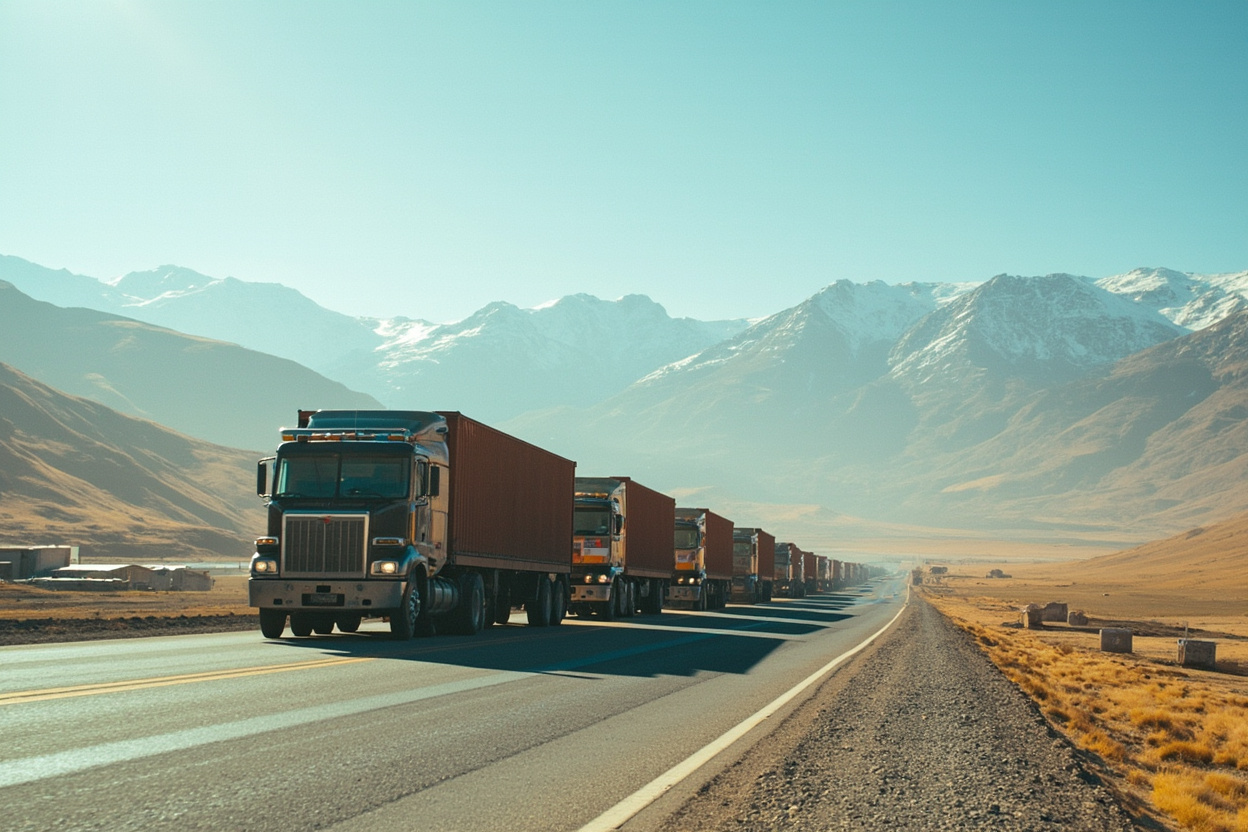
Chinese cargo arrives by sea in northern Chile, is discharged in Iquique, and instead of waiting for a second shipment to cross to Bolivia by sea, continues by road to La Paz or Santa Cruz de la Sierra. One freight rate, one customs office on departure, and one border crossing in between.
Why Iquique and not Valparaíso
Geography determines it: Iquique (CLIPI) is in the Tarapacá Region, about 190 kilometres from the Chungará border. Valparaíso and San Antonio are in the central zone, more than 2,000 kilometres from the same crossing.
When the final destination of the cargo is Bolivia, the discharge port is not a secondary variable: it defines the total cost of the corridor.
| Discharge port | Route to Bolivia | Transshipments | Typical for |
|---|---|---|---|
| Iquique | Road via Chungará | 1 (the ground transshipment) | Bolivian importers buying in Asia |
| Valparaíso | Sea to a port authorised for Bolivia + land | 2 or more | Cargo passing through Chile as a stepping stone |
| San Antonio | Same, plus a longer inland leg | 2 or more | Same, with more days on the road |
The Iquique corridor calculation includes between 1 and 2 days for Chungará and 3 to 4 days to Santa Cruz de la Sierra, with border customs checking that the cargo matches what was declared. Customs clearance at the port of Iquique adds 2 to 5 days, depending on the documentation.
The customs transit regime: what changes
The technical point that confuses people most is that the cargo is not nationalised in Chile. Under the customs transit regime, the goods leave the port with a transit declaration that accompanies them by road until entry into Bolivia. Only then are they nationalised.
Practical consequences:
- No duty is paid in Chile on cargo that is only passing through. The duty is paid in Bolivia, on the base determined by Bolivian customs.
- The cargo cannot be sold or consumed in Chile. It is not a nationalised shipment: it is merchandise in transit. If the final destination is not Bolivia, a different procedure applies.
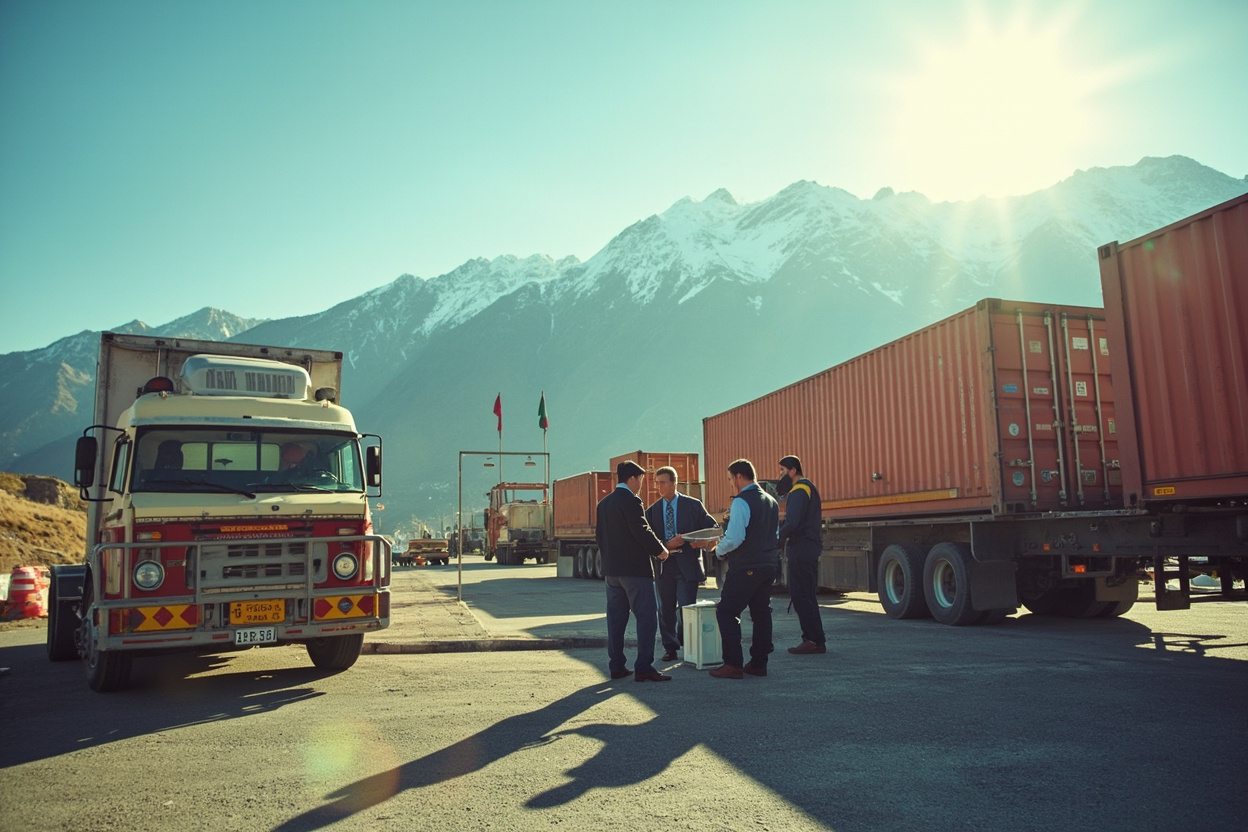
- The crossing requires the cargo to match what was declared. At Chungará, Bolivian customs compares the number of packages, weight and description against the invoice and the bill of lading. A mismatch stops the truck at the border, and that is where storage starts running on both sides.
The documents
For the transit to work without problems, the document package has to be complete before the vessel sails, not on arrival at Iquique:
| Document | What it does in the corridor |
|---|---|
| Commercial invoice | Basis for the value of the goods and for the entry at destination |
| Packing list | Packages, weights and dimensions — this is what border customs reconciles |
| Bill of lading | Issued by the shipping line at the Chinese port |
| Transit declaration | Document specific to the regime: it accompanies the cargo to Bolivia |
| RUT and tax identification number of the consignee | Enable the entry of the cargo into Bolivia |
What to check before deciding
Not every cargo is worth sending through this corridor. Three questions:
Is the final destination really Bolivia? If the cargo is going to La Paz or Santa Cruz de la Sierra, the Iquique–Bolivia corridor competes with the maritime alternatives. If the destination is northern Chile (Iquique, Arica, Antofagasta), then the ground transshipment is simply the national delivery.
Can the cargo tolerate handling? The road leg involves more handling per package than a sealed container on deck. Fragile cargo, or cargo requiring open top or special stowage, has to be assessed beforehand.
Is the documented transit ready? A container that arrives at Iquique with an incomplete transit declaration cannot cross, and port storage runs while it is resolved. This is where the most time is lost in this corridor, and it is not a transport problem: it is a documentation problem.
Why we publish this
The information exists and is public: the transit regime, the Chungará crossing, the control times. Of the 10 Chilean agencies we reviewed, none publish it with numbers.
A Bolivian importer choosing between Valparaíso and Iquique with two quotes that cannot be compared — one including the transshipment, one without — has no way of knowing which is cheaper. Publishing the breakdown of this corridor is the difference between a customer choosing on price and choosing on information.
Frequently Asked Questions
Why is it better to ship to Iquique instead of Valparaíso if the destination is Bolivia?
Because cargo discharged in Iquique enters Bolivia by land, through the Chungará border crossing, without a second sea shipment. For Bolivian importers buying in Asia, that means one freight rate, one customs office on departure and fewer days in transit. Valparaíso requires a second sea transfer to a port authorised for Bolivia.
What is the customs transit regime?
It is a procedure that allows cargo to enter Bolivia without being nationalised in Chile. It leaves the port of Iquique with a transit declaration that accompanies the merchandise by road until entry into Bolivia, where it is nationalised only then. That is why no Chilean duty is paid, but the cargo also cannot be sold or handled in Chile.
How long does the crossing at Chungará take?
Between 1 and 2 days through the border crossing, subject to Bolivian customs controls. To Santa Cruz de la Sierra, the estimate is 3 to 4 days. To that you add the customs clearance time at the port of Iquique, 2 to 5 days depending on the documentation.
Which documents does the ground transit require?
Commercial invoice, packing list, bill of lading and the transit declaration itself, plus the consignee's RUT in Bolivia and its tax identification number. At the border, Bolivian customs checks that the cargo matches what was declared: if the number of packages does not match what was received, the truck is held.
Can I sell the cargo in Chile if I dispatched it under transit?
No. While the cargo is under the customs transit regime, it is not nationalised in Chile: it cannot be sold, consumed or redistributed inside the country. If the final destination is not Bolivia, a different procedure applies.
Next step